MAOIST
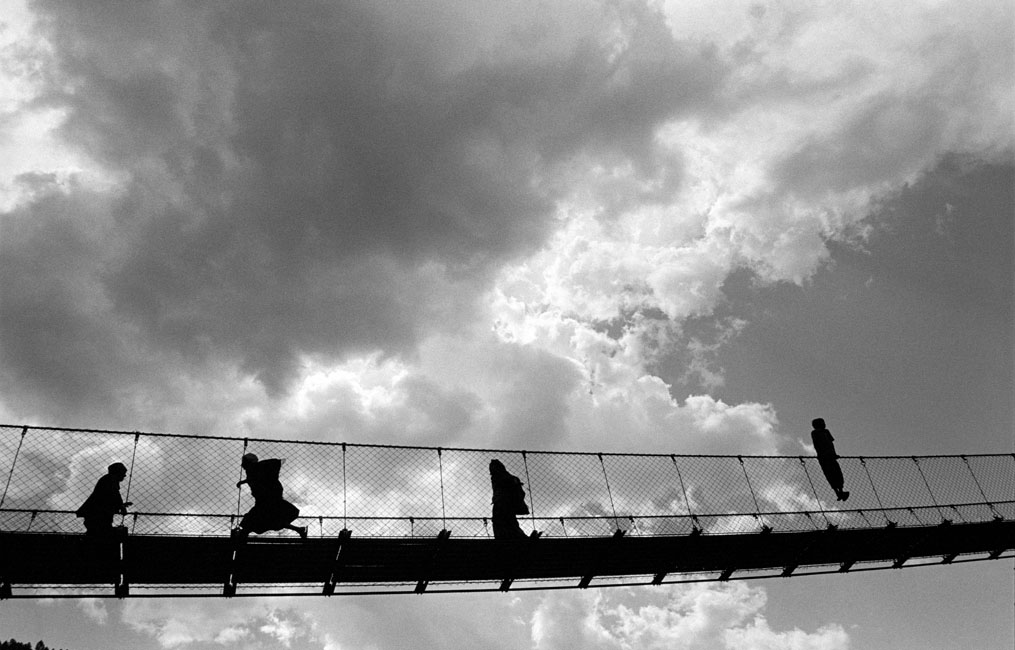
The Royal Nepalese Army guards with M-16 in the last checkpoint after the endless checkpoints by the Nepalese armed police. After the last checkpoint, we took a road that does not exist on a map, crossing the river and going into the deep mountain. Beautiful mountains spread in front of us. Rhododendron, red Nepalese national flower, blooms and white butterflies fly elegantly on a green hill. This is not a national park but the land of the Maoists.
The Communist Party of Nepal (Maoist) was founded in 1994 in Nepal, aiming to replace the monarchy with a communist republic. The Maoists have adapted the guerrilla war strategy from the Peru’s Shinning Path rebel. The war, People’s War, started in 1996 when PLA, People’s Liberation Army, attacked a police station in mountainous regions in Western Nepal. In the beginning of the insurgency, few local and international politicians took them seriously. But, unexpectedly the Maoist movement has become popular among the Nepalese and spread all over Nepal. In 2001, they established their own government, People’s Government in Western Nepal. And by 2005 after nine years of civil war, the Maoists occupied about 40% of the land in Nepal.
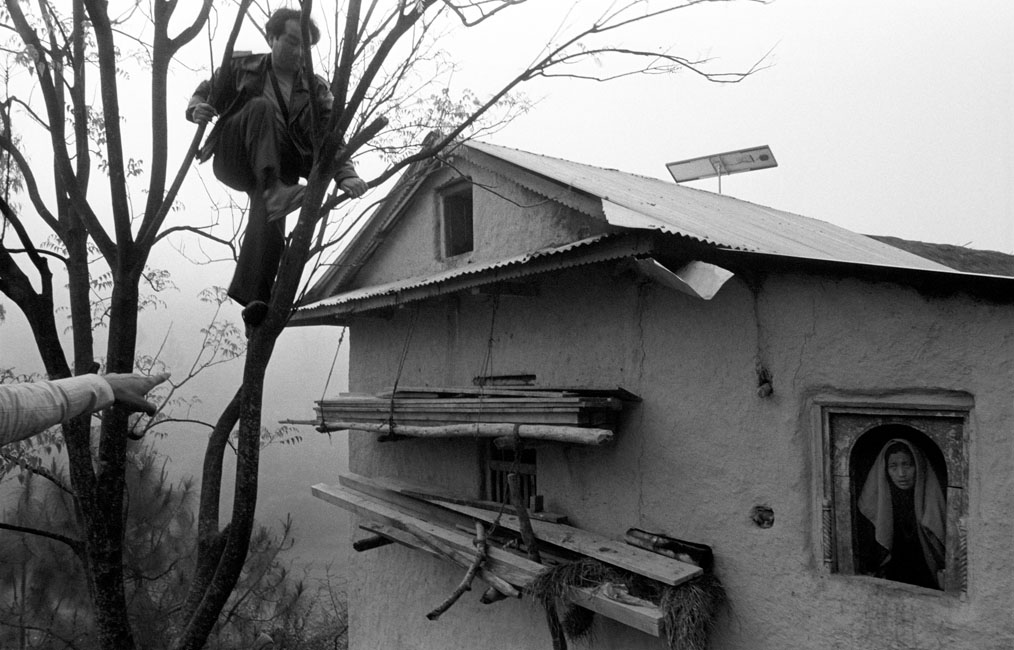
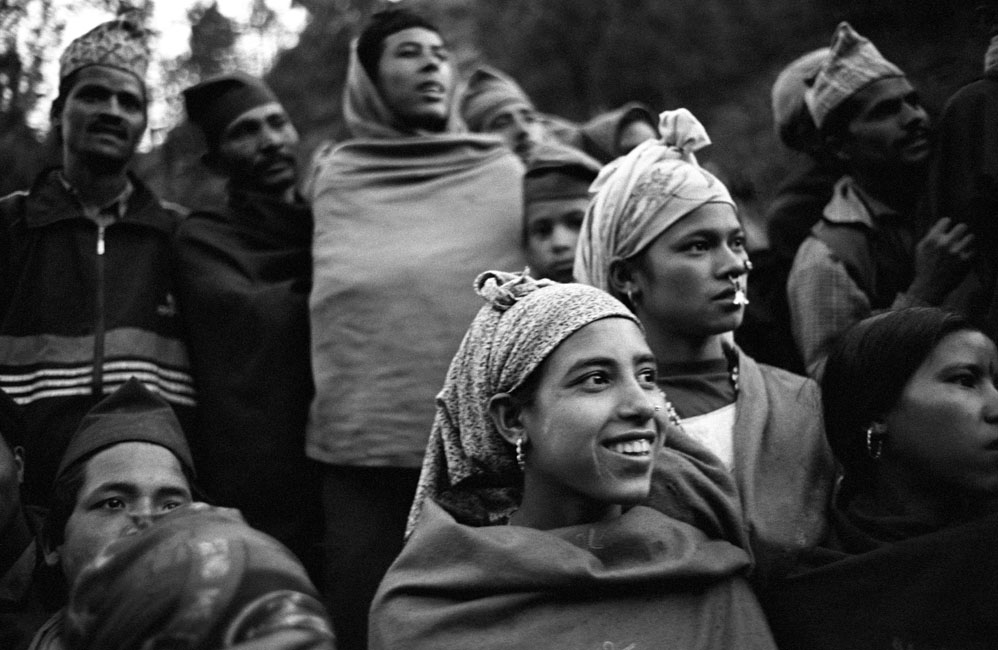
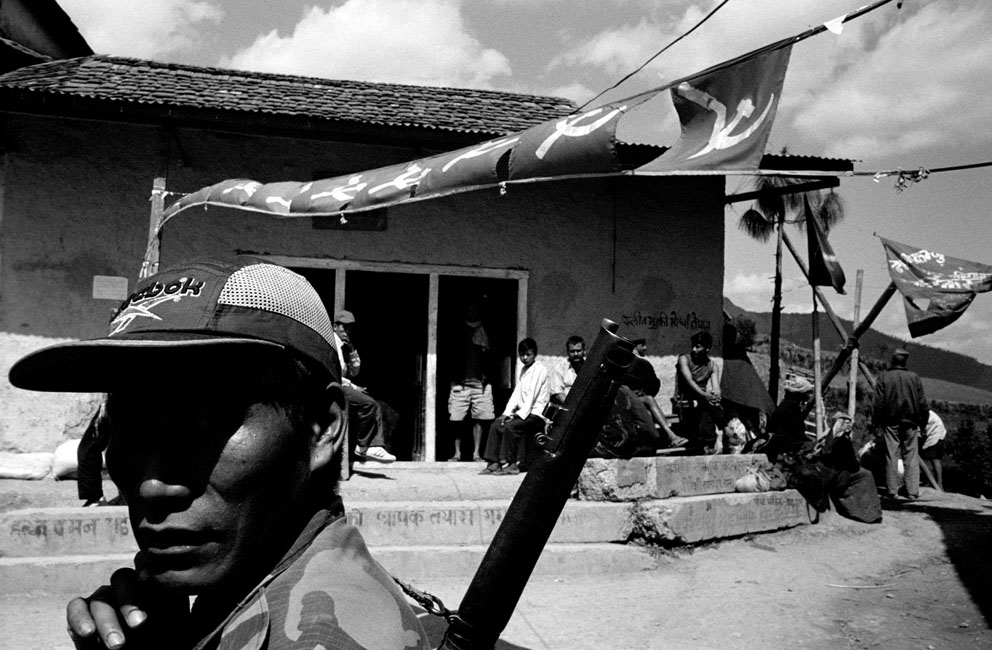
The entrance of each Maoist village is decorated with a gate wrapped with red cloth, red communist flags or the red billboard with Maoist slogan that celebrate their successful nine-year-long insurgency. In the villages, the Maoists live without electricity, running water or vehicles. In the evening, the smoke from cooking with fire rises up to the sky. At night, the moon is so bright that it makes a shadow of the trees on the ground. Their lifestyle is simple and disciplined. There is neither beggars nor pollution. The Maoist villagers seem to be happy with the People’s Government. One of the reasons of the successful Maoist movement in Nepal is that many poor peasants in remote regions where majority of Nepalese live, supported the Maoists, who explain their goal is to establish an equal society for everyone and abolish the poverty. Many of the farmers in the remote areas are from low casts. Like India, the cast system exists in Nepal and impedes the people in various social activities. The sympathies of the Maoists see the Maoists the only way to change the current feudal and class-ridden social system.
On the February 1, 2005, King Gyanendra seized the direct power, dissolving the government. The king accused the previous government of not being able to deal with the Maoists. After the royal coup, the PLA has geared up the insurgency and Royal Nepalese Army has stepped up their “search operation” of the Maoists.
It was about 3.30pm. The Maoist district leaders and other Maoist, including a commander of PLA and his fighters gathered in a ground in a Maoist village for a meeting. Comrade Surya was on a podium, giving a last speech. All of sudden, the air started to vibrate. It did not take a second to come to know that it was from a helicopter. Between the green mountains, a black military helicopter showed up coming toward the village. All gathered Maoists got dispersed and hid under the roofs. And the shooting from the helicopter started. The rain of bullets from the sky lasted about ten minutes, making bullets holes in the houses.
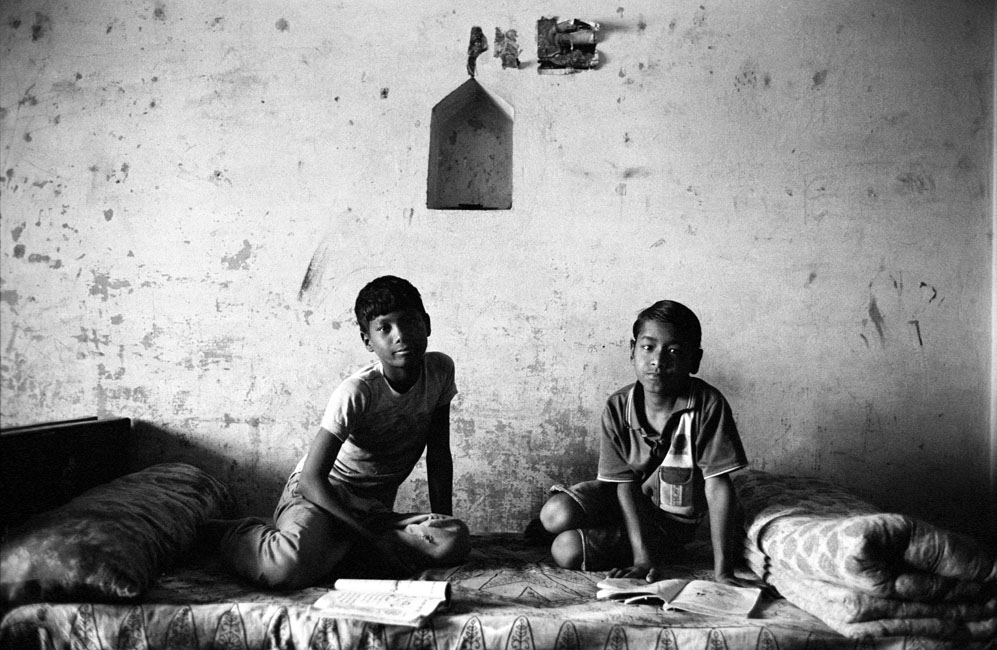
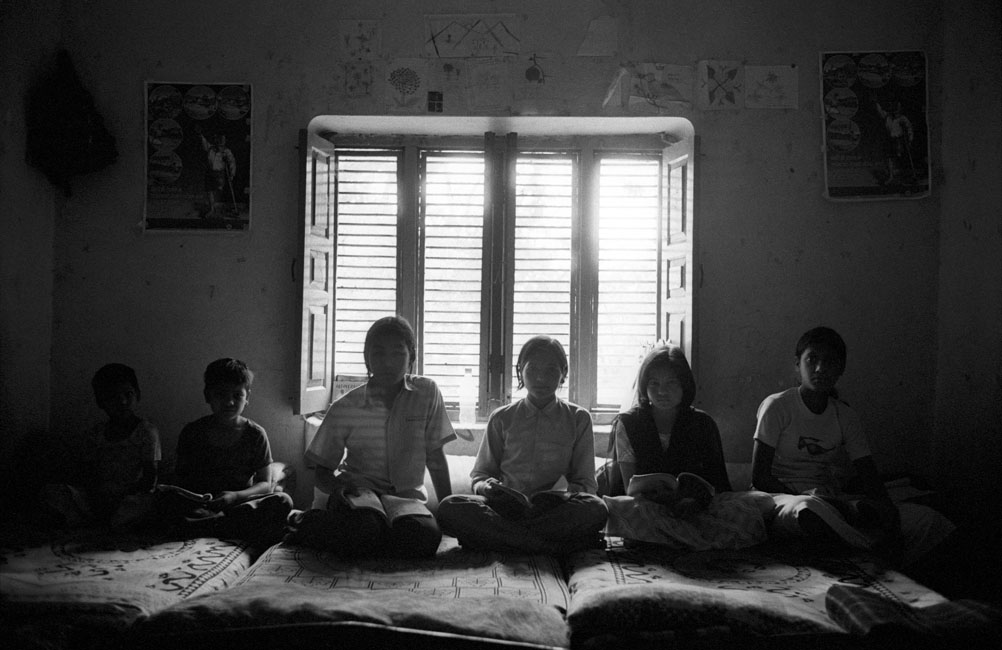
In the People’s War since 1996, the Maoists or the RNA have killed about 12,000 people by 2005. The both, the RNA and the Maoists have notorious reputation of killing. About 40 orphans of the war are protected in a small NGO in Nepal. Their parents, civilians, were killed by either of the Maoists or RNA, being accused of helping RNA or being Maoist. The number of orphans of the war was growing in Nepal. Many civilians were also killed in crossfire. Hari Prasad Pokharel, 34, lies on a bed in a hospital. His bicycle touched the Maoist’s landmine wire when he was coming from his relative’s wedding dinner. He lost his right leg and right eye.
After the royal coup, the king has started to arrest political leaders, human rights activists, democracy activists and journalists. He also installed censorship on the local medias not to publish Maoist stories. UK and India stopped military aids after the royal coup, encouraging the king to restore the democracy.
In 2006, the democratization movement rocked Katmandu, the capital of Nepal, and the leader of Maoist, Prachanda, came out of the bush to talk in front of the public audiences. In the same year, Comprehensive Peace Accord was signed by the Nepalese government and Maoist to end the civil war. Following the election, in 2008 the monarchy was abolished and democratic parliament including Maoist was reinstalled in Nepal.